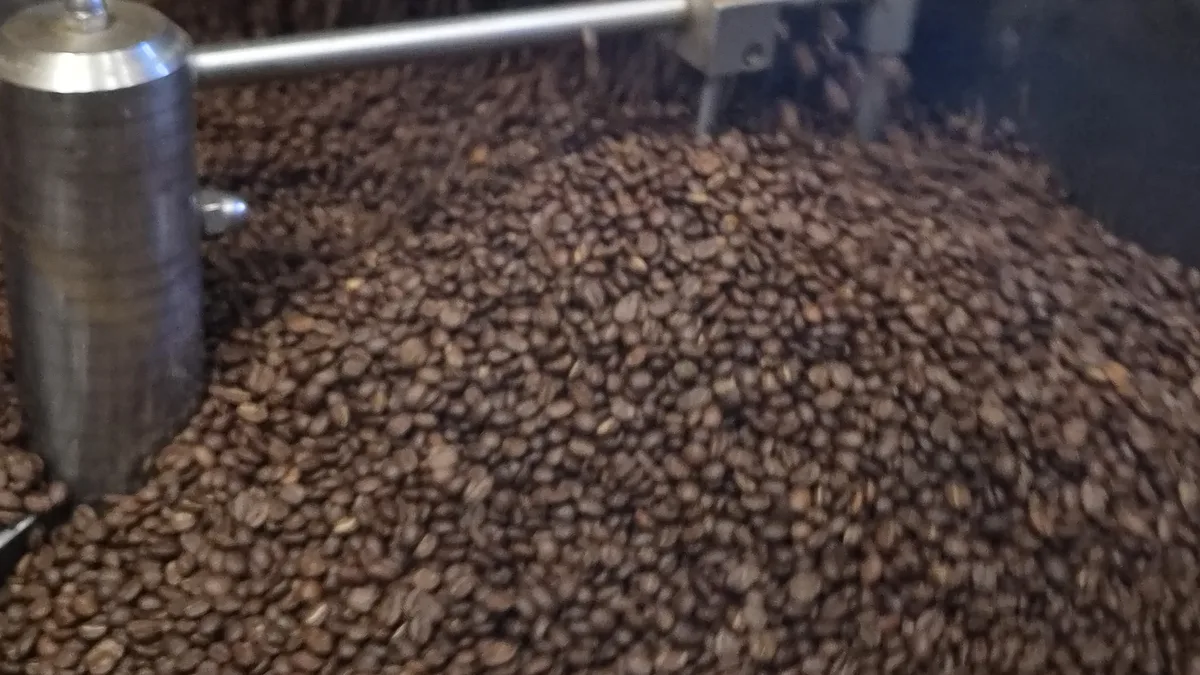
We paid a visit to the Colbergcoffee coffee roastery in Kołobrzeg. We saw how green beans turn into the coffee we later drink in cafés, and talked to the owner about what its flavour depends on. If you like coffee, it is worth learning more about it, and a roastery teaches you more than many a book.
From green beans to finished coffee
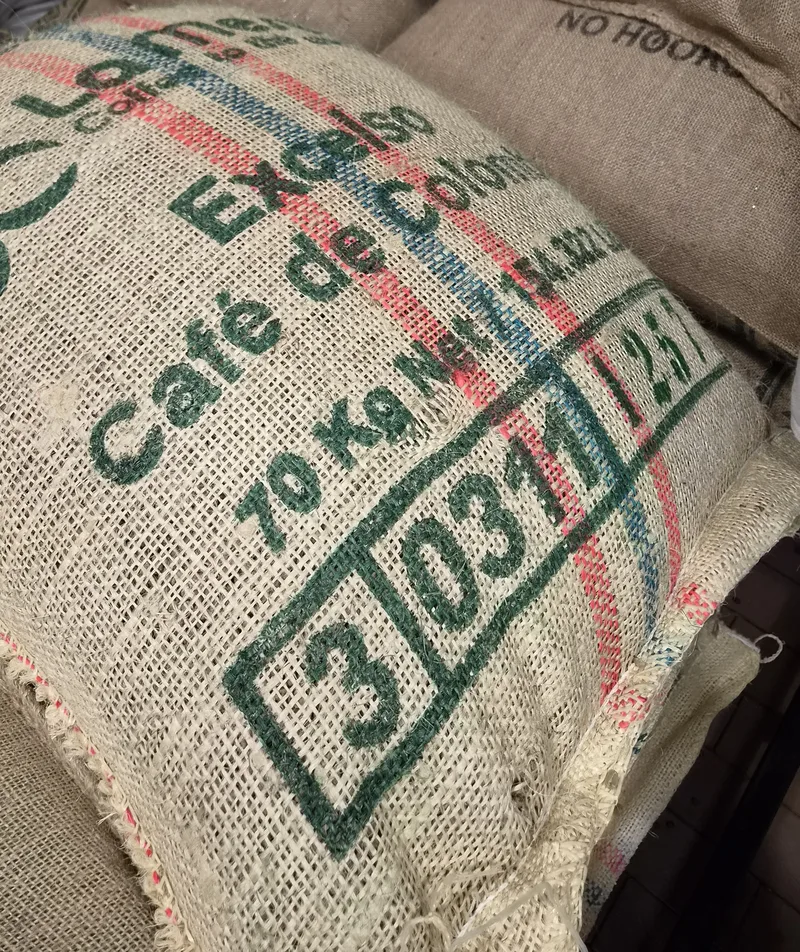
Coffee arrives at the roastery in jute sacks as green, raw beans. In this form it does not smell of coffee yet and cannot be brewed. Only in the roaster, in a rotating drum, does the bean turn brown, lose water and develop its aroma. After roasting it goes into the cooling tray, where a stirring arm moves it so it cools quickly and stops roasting.
Around the roaster it smells like a bakery: a little like baked bread, a little like toasted bran. It is a smell you cannot mistake for anything else.
The roast profile: a recipe for a particular coffee
We talked most about roast profiles. Every coffee can be roasted in different ways: faster or slower, lighter or darker, with a different temperature at each stage. The owner compared it to baking. From one flour you can bake different breads, and from one bean different coffees.
It works the other way too. You can have very good beans and spoil them in the roaster. That is why the roast profile is chosen separately for every coffee, and then every batch is watched so it comes out the same.
Measurements: moisture and colour
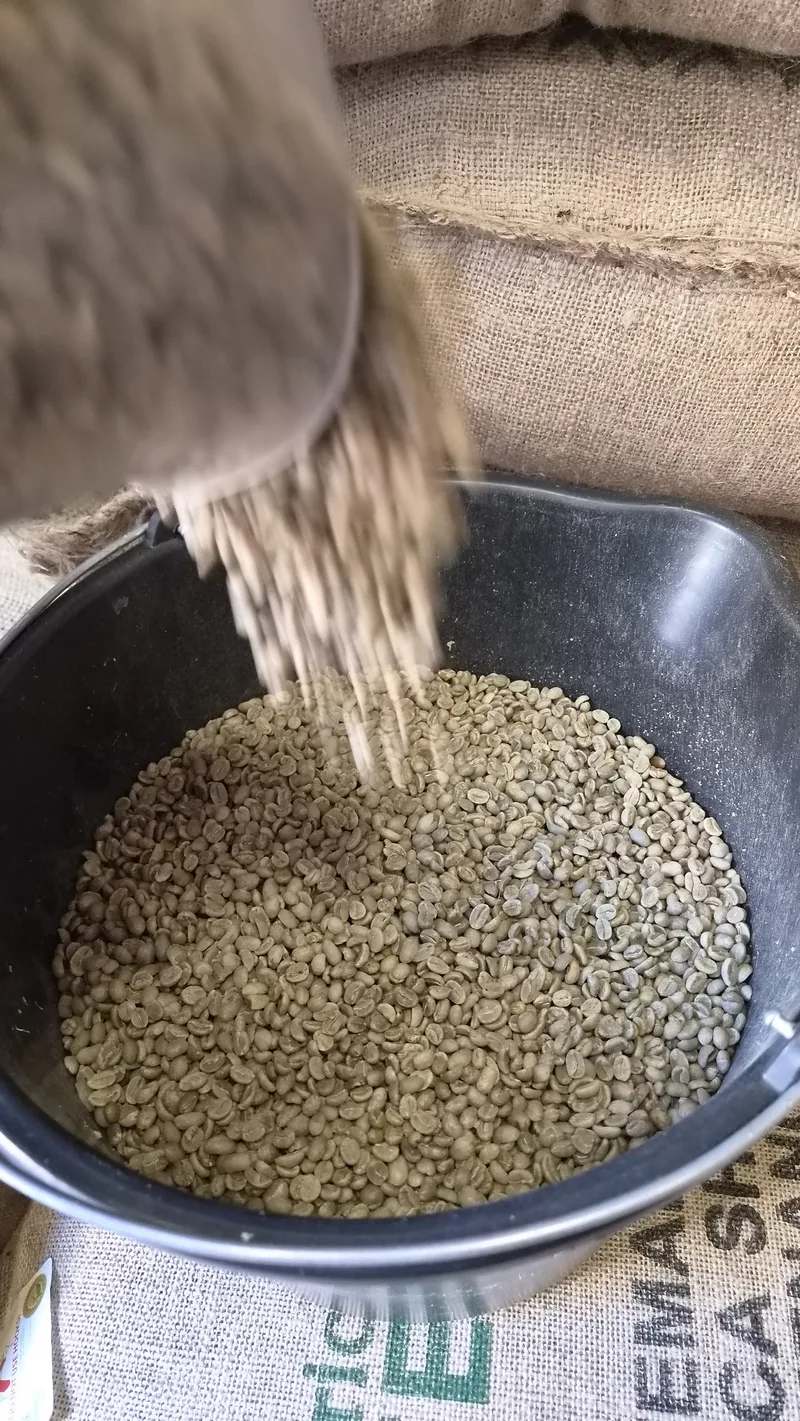
Nothing at the roastery is done by eye. When green coffee arrives, the moisture of the beans is checked first with a meter. Beans that are too dry or too moist roast badly, so such a batch needs a different approach from the start.
After roasting, the colour of the beans is measured with a colorimeter. The reading shows how light or dark the coffee was roasted and allows a comparison with earlier batches. Testing every batch is the foundation: that is how the coffee you buy today tastes the same as the one from a month ago.
One place, many coffees
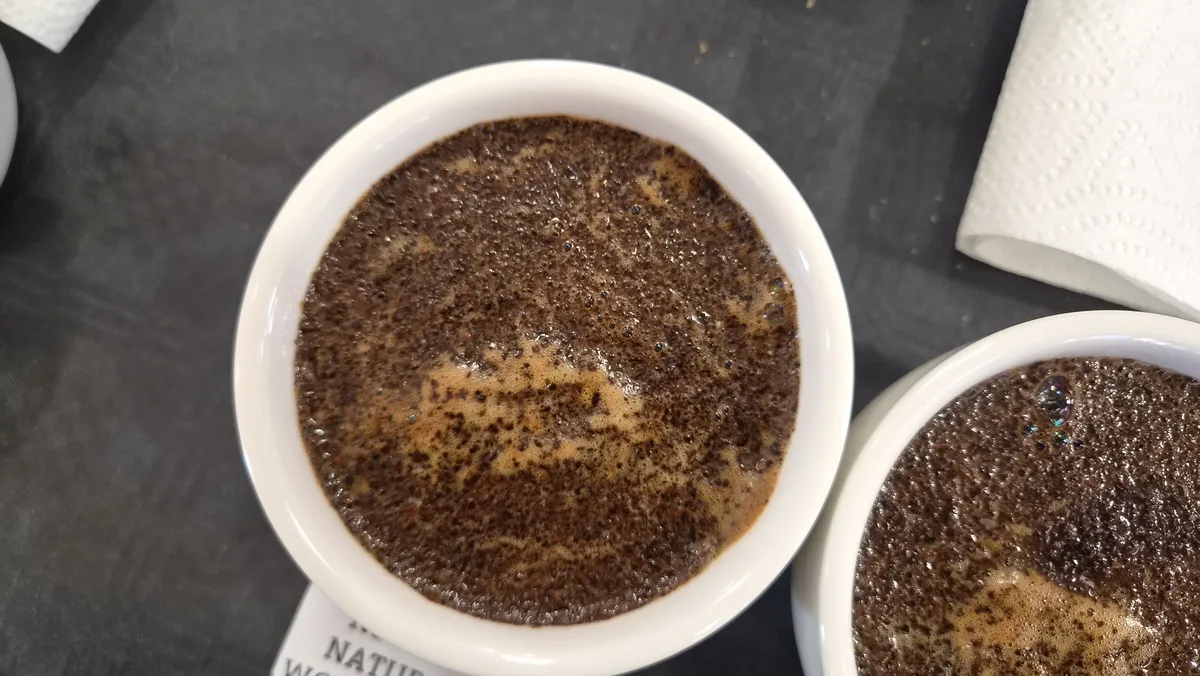
The roastery has coffees from different parts of the world, each with its own character. Tanzania Ngila Estate AA, washed, lists red currant, black tea and jasmine. Brazil Mogiana natural means chocolate, nuts and caramel. Papua Wahgi Valley washed means fig, dates and sweet chocolate. These notes are natural flavour associations, not added flavourings.
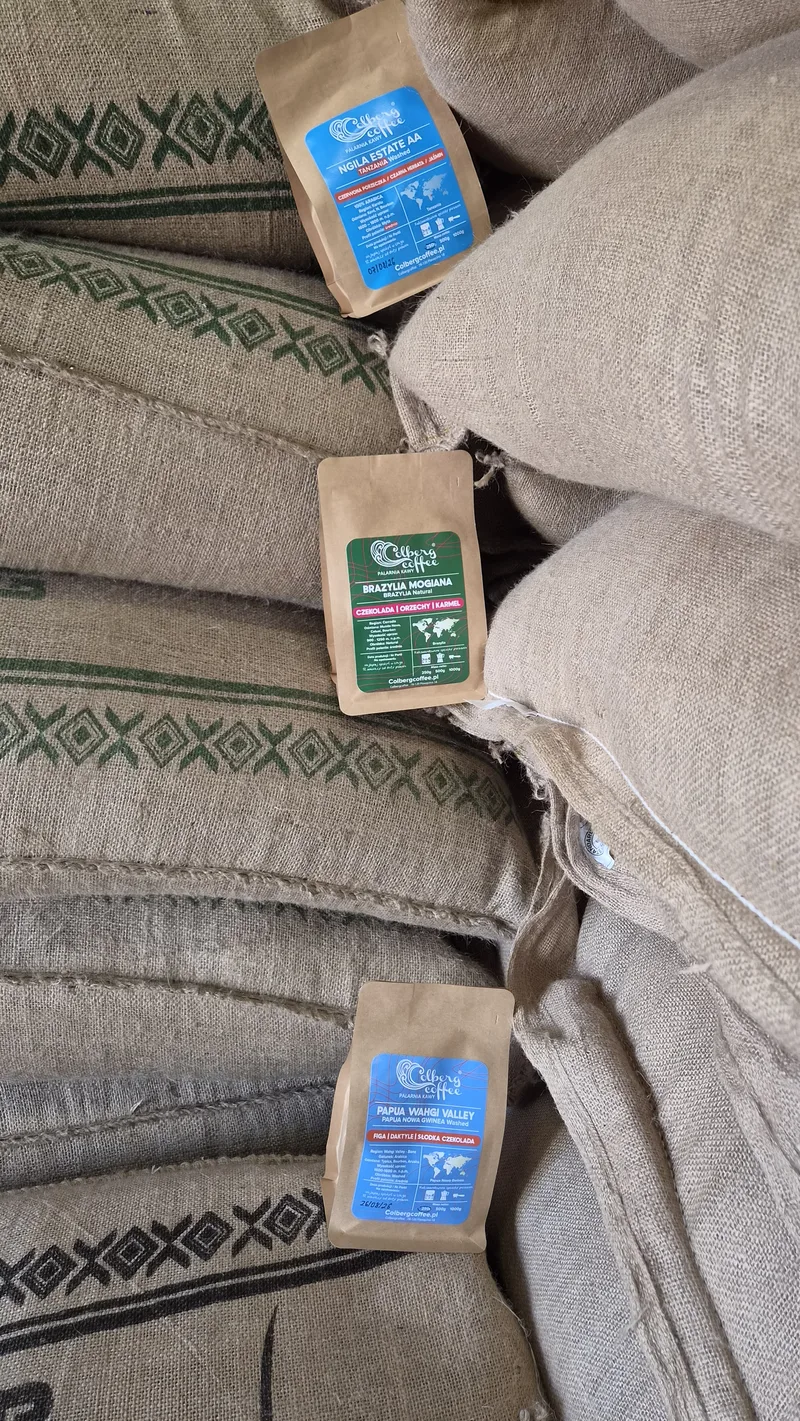
Besides coffee, the roastery also deals in equipment: it offers professional espresso machines and grinders used by cafés. Fresh coffee, good equipment and know-how in one place: for us, a gem on Poland's coffee map.
Where to drink coffee from this roastery in Kołobrzeg
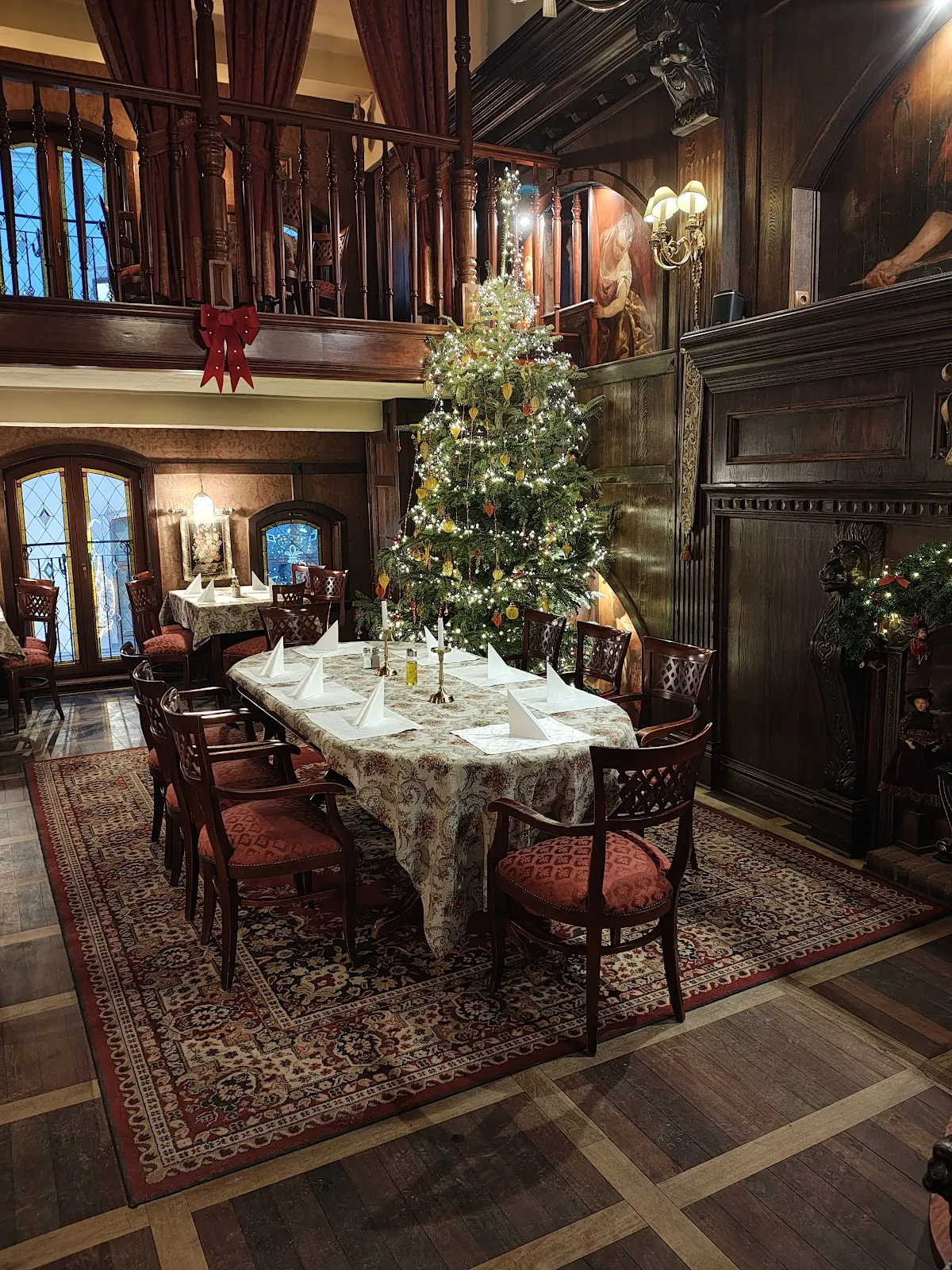
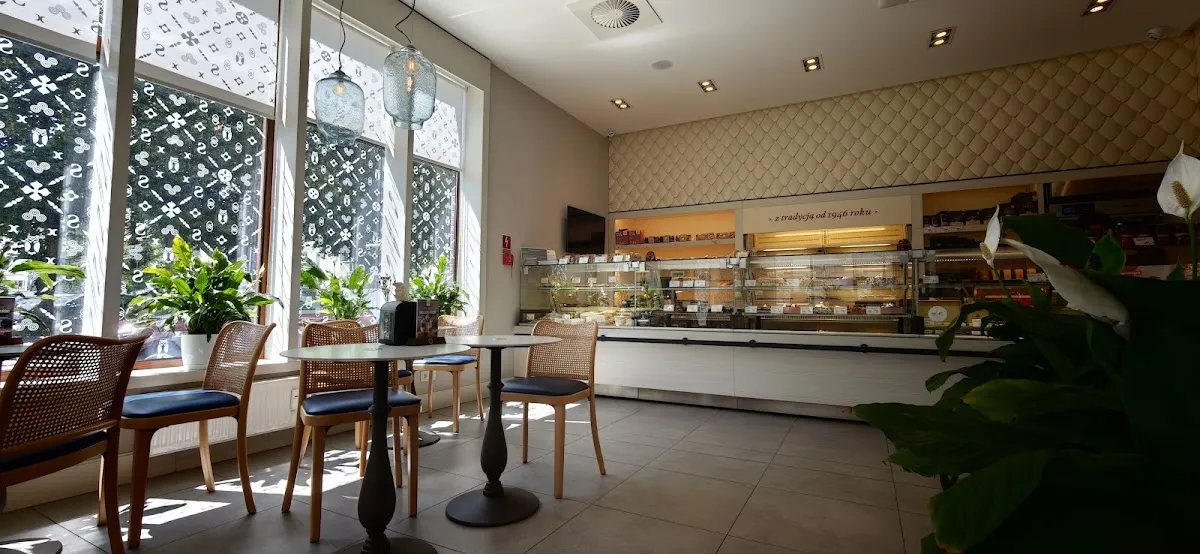
After the visit it is easier to see why so many places on our list work with Colbergcoffee. You can drink coffee from this roastery at the Colbergcoffee café at Dubois 21A in the Old Town, open all year from 8:30, on Sundays from 9:00. It is also served at Domek Kata, Ratuszowa 1, open until 23:00, on Sundays until 22:00, and at Syrenka restaurant, Zwycięzców 11.
More on what specialty coffee is and how to choose beans for home is in our article specialty coffee in Kołobrzeg. Places with good coffee are also on the list of cafés with specialty coffee.